
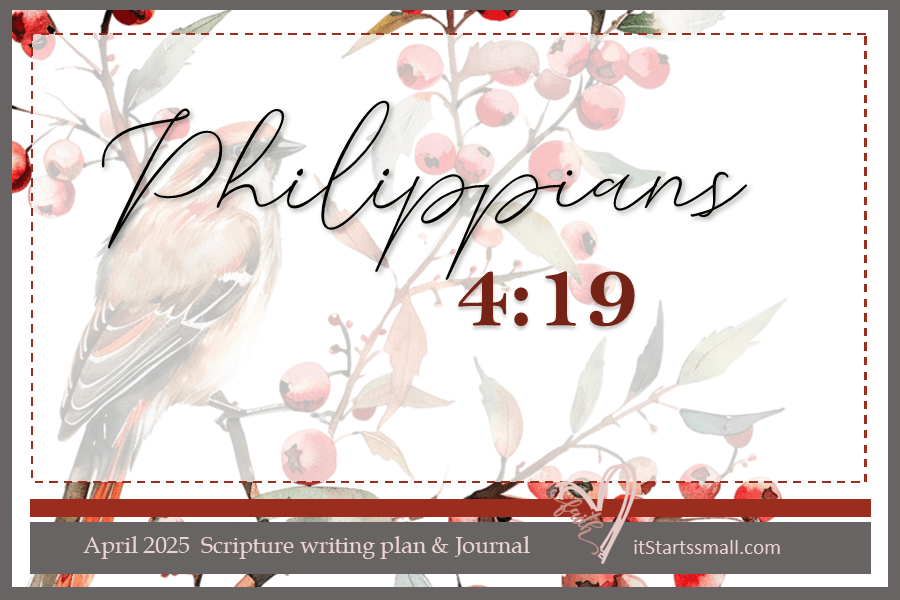
19 And my God will meet all your needs according to the riches of his glory in Christ Jesus.
Philippians 4:19
A vibrant strain of “prosperity theology” courses through the Protestant work ethic. It is inspired by a deep yet often simplistic interpretation of the biblical Wisdom tradition. This belief is a cornerstone of modern Christian charismatic populism. It pulsates with the exhilarating promise that God desires His people to flourish—healthy, wealthy, and wise. At its core is a compelling message. It reflects Benjamin Franklin’s wisdom: honor God. As a result, He will shower you with material abundance. A stirring verse from Philippians captures this spirit beautifully. It proclaims, “And my God will fully satisfy every need of yours according to his riches in glory in Christ Jesus” (4:19). This proclamation highlights the generous “riches” available to us. It also underscores God’s boundless capacity to fulfill our deepest “wants.”
This concluding statement must not be seen in isolation. It demands to be interpreted within the vibrant context of the entire Philippian letter. In it, Paul boldly dismisses worldly prosperity and profit. Paul’s values revolve around the profound reality of the crucified-risen-exalted-returning Christ. These values are both moral and financial. “Whatever gains I had, these I have come to regard as loss because of Christ. More than that, I consider everything as a loss compared to the overwhelming worth of knowing Christ Jesus my Lord. For His sake, I have endured the loss of all things. I count them as mere rubbish, so that I may gain Christ” (3:7‒8).
Paul is not anti-body, anti-world, or anti-earthly goods; rather, he embraces the fullness of life! After all, Christ, in His infinite wisdom, chose to become an embodied human being in our world. He had real physical needs and demonstrated His love through acts of feeding and healing. Paul is profoundly grateful for the Philippians’ generous ministry. They attended to his practical “needs” while he endures the trials of imprisonment (2:25; 4:15‒18). He does not seek to amass riches. Instead, he finds profound happiness (“contentment”) in having just enough to sustain him (4:11‒12, 15).
Paul lives passionately within an economy of grace (charis). He joyfully appreciates every blessing, big or small, as a precious gift (charismata) from God in Christ. These gifts are meant to be shared in loving fellowship (koinōnia) with one another (1:3‒7; 4:15‒18).
© Kimberlee Smith 2026 http://www.itstartssmall.com All rights reserved.
Need help?
Get in touch
it0starts0small@gmail.com
 It Starts Small
Leave a comment